Your Comprehensive Guide to DISC Personality Insights Without Paywalls
- 25 November 2025
Find Your DISC Personality Profile With a Test
Get StartedUnderstanding the DISC Approach and Why It Elevates Everyday Communication
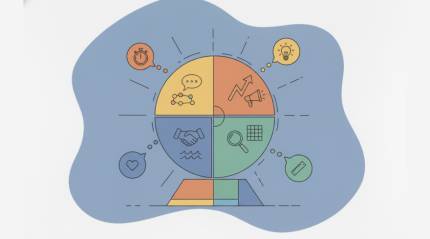
People want quick, credible insight into how they communicate and make decisions. Beyond quick labels, the meaning of DISC personality test revolves around mapping observable behaviors into four easy-to-remember patterns. This lens helps translate complex interpersonal dynamics into practical language. At its core, the model looks at pace and priority to explain how someone approaches tasks and people. You get a shared vocabulary that reduces friction and speeds cooperation.
The framework traces back to William Moulton Marston’s behavioral theory and decades of workplace research. In that lineage, experts answer the question of what does DISC stand for in personality test by pointing to Dominance, Influence, Steadiness, and Conscientiousness. Each style blends assertiveness and openness differently, producing distinct motivators. Rather than box people in, it highlights preferred strategies under pressure. Practitioners emphasize that context matters because behavior flexes when goals or constraints shift.
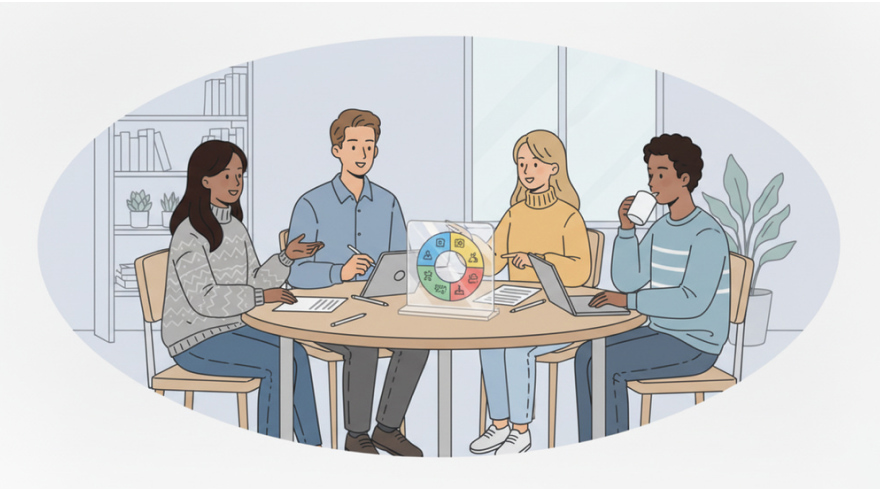
Modern platforms present the tool through adaptive questionnaires and clear visual wheels. When used with coaching, a DISC model personality test can illuminate blind spots while offering concrete next steps. Teams then align expectations, choose better channels, and reduce avoidable conflict. That is why the approach remains a staple across hiring, onboarding, sales, and leadership development. Over time, people learn to flex their style without feeling artificial.
Taking the Assessment Effectively and Ethically
Accuracy improves when you treat the exercise like a snapshot, not a verdict. Before clicking start, make sure the platform explains how a DISC personality assessment test collects and scores your choices. Look for plain-language privacy notes and clear time estimates. Plan a quiet moment without interruptions to answer consistently. Remind yourself to choose the options that reflect typical behavior rather than idealized aspirations.
Cost should never be a barrier to basic learning. If you are exploring options, you can start with a reputable free DISC personality test to understand the format and pacing. Treat that as a preview, then graduate to a paid debrief when the stakes are high. Quality comes from interpretation, not only from the question set. The best experiences pair data with DISCussion and concrete commitments.
- Set a clear goal for taking the tool, such as improving one-on-ones or reducing meeting friction.
- Answer quickly and honestly, because overthinking can blur your natural preferences.
- Capture immediate reflections right after you finish, while insights are fresh.
- Share your summary with a colleague and ask for one example that confirms or challenges it.
Interpreting the output requires context from your role and goals. For hiring or promotion decisions, organizations rely on structured DISC personality profile testing paired with interviews and work samples. That combination minimizes bias and respects local regulations. Make sure results inform dialogue rather than dictate outcomes. When in doubt, prioritize coaching over labels to keep growth humane and sustainable.
Interpreting Results and Turning Insights Into Action
Your report should feel specific, practical, and grounded in observed behavior. To frame expectations, remember that the DISC test personality highlights tendencies, not destiny. Raters and peers can add color by sharing examples of how you show up under stress. Pair the narrative with objective metrics such as response times, quality scores, or customer feedback. Progress compounds when you revisit the plan in weekly or monthly check-ins.
A clear map of your style makes real-world decisions simpler. When a facilitator walks through a DISC personality profile test, they translate charts into everyday behaviors and choices. That translation is what unlocks better one-on-ones, smoother standups, and more persuasive emails. Action beats abstraction when you turn insights into small experiments and measure outcomes.
| Style focus | Signals you may notice | Helpful responses | Pitfalls to avoid |
|---|---|---|---|
| Dominance | Direct, fast-paced, results-first language | Be concise, propose options, agree on ownership | Over-explaining, vague asks, slow decisions |
| Influence | Enthusiastic tone, story-driven persuasion | Invite ideas, recognize wins, keep energy high | Dry data dumps, dismissing feelings, rigid agendas |
| Steadiness | Calm pace, relationship and support focus | Provide clarity, offer help, confirm next steps | Sudden changes, public pressure, rushed timelines |
| Conscientiousness | Detail-rich, quality and accuracy emphasis | Share evidence, define criteria, respect process | Ambiguity, moving targets, emotional appeals |
Resources such as worksheets and cheat sheets reinforce learning long after the session ends. If you need offline materials, look for a publisher that offers a legitimate DISC personality test free download alongside clear usage rights. That way, you can revisit tips before crucial meetings or presentations. Keep notes on what works so your playbook evolves. Celebrate small wins to keep momentum alive.
Comparing Tools, Types, and Long-Term Value
Not all questionnaires are equal in length or granularity. For breadth across styles, some teams sample a DISC personality types test to get a quick overview before deeper coaching. Short screens can kick off productive conversations when time is scarce. Longer instruments add nuance for leadership pipelines. Good facilitation bridges the gap between data and meaningful change.
Budget-conscious programs still deserve reliable guidance. Used judiciously, a reputable DISC personality test free can introduce shared language and spark curiosity. From there, managers can request validated versions for performance-critical decisions. Documentation and norms matter most when the outcome affects people’s careers. Stakeholders should understand limitations alongside benefits.
Availability should never drive you to cut corners on ethics or privacy. When evaluating options that advertise a DISC personality types test free, confirm data retention rules, feedback quality, and accessibility features. Transparent providers publish support articles, update logs, and reviewer notes. That transparency keeps trust high and adoption steady. Clear consent flows and easy deletion requests demonstrate respect for users.
FAQ: Straight Answers for Busy Readers
Is DISC a clinical diagnosis or a workplace tool?
DISC is a behavioral framework designed for coaching, teamwork, and leadership development, not a clinical instrument. It describes patterns you can observe and flex, rather than traits that require treatment.
How long does a typical assessment take?
Most questionnaires take 10–20 minutes, depending on version and reading speed. Plan a quiet slot so you can respond naturally without interruptions.
Can my style change over time?
Your core preferences tend to remain stable, but behavior shifts with role demands, feedback, and practice. Under stress or in new environments, different priorities may surface temporarily.
Should managers use results to make hiring decisions?
Use results as a conversation starter, not a gatekeeper. Combine reports with structured interviews, job-relevant tasks, and validated criteria to maintain fairness and legal defensibility.
What makes a debrief session effective?
The best debriefs translate charts into concrete actions, such as communication agreements and follow-up experiments. Skilled facilitators invite feedback from colleagues and schedule checkpoints to measure progress.