DISC Personality Profiles: A Practical Guide to Understanding Behavior and Improving Communication
- 21 November 2025
Find Your DISC Personality Profile With a Test
Get StartedWhat Is DISC and Why It Captivates Modern Audiences
DISC is a behavioral framework that categorizes observable tendencies into four core dimensions: Dominance, Influence, Steadiness, and Conscientiousness. Unlike clinical diagnostics, this model focuses on everyday interactions, workplace dynamics, and personal collaboration styles. It is simple enough for a novice to grasp in minutes, yet nuanced enough for experienced coaches to use in deep developmental work. The model centers on how we prefer to approach problems, pace, people, and procedures, creating a shared vocabulary for feedback that feels constructive rather than critical.
Many organizations rely on profile testing to create a common language for behavior. Across industries, DISC personality profile testing is praised for clarity and fast adoption. The appeal lies in its balance of rigor and accessibility: you get tangible insights without dense statistics or opaque jargon. It also scales well, from small teams to global enterprises, because it emphasizes observable patterns and practical adjustments. Most importantly, the framework encourages adaptability, helping people stretch beyond default habits while respecting individual differences.
- It emphasizes how we communicate under pressure and when calm.
- It translates complex interpersonal dynamics into approachable patterns.
- It supports coaching conversations that are specific, respectful, and actionable.
- It complements, rather than replaces, skills training, feedback, and mentoring.
How the Four Dimensions Work Together
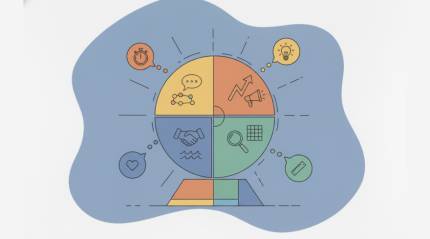
The four letters in DISC represent tendencies that often coexist, blend, and flex based on context. Dominance reflects a bias toward results and decisiveness, while Influence highlights enthusiasm, persuasion, and visibility. Steadiness focuses on patience, support, and consistency. Conscientiousness underscores accuracy, analysis, and standards. No style is “better” than another; each contributes essential value when matched to the right task, timing, and audience. Over time, people develop situational agility, shifting tone or tempo to fit the moment.
For individuals, DISC profile testing translates abstract tendencies into actionable patterns. When choosing tools, a DISC profile personality test should be validated and clearly explained. Strong programs emphasize that behavior is both preference and choice, not destiny. Rather than boxing people in, effective debriefs help participants see the strengths and overuses of each dimension, and how to flex without losing authenticity. This promotes healthier collaboration by aligning style with the needs of colleagues, clients, and stakeholders.
- Dominance: direct, fast-paced, and driven to remove obstacles.
- Influence: expressive, social, and energized by possibilities.
- Steadiness: calm, dependable, and motivated by harmony.
- Conscientiousness: precise, thoughtful, and committed to quality.
Tangible Benefits for Teams, Hiring, and Coaching
When teams adopt a shared behavioral lens, communication friction drops and psychological safety rises. Meetings become more focused because participants anticipate preferences: who needs concise data, who benefits from context, and who wants time to reflect. Managers learn to balance speed with inclusion, tailoring updates and requests to the people in the room. This alignment accelerates execution while reducing misunderstandings that lead to delays, rework, or strained relationships.
Managers appreciate how a DISC profile test accelerates onboarding conversations. Coaches often pair a DISC personality profile test with interviews to deepen context. Leaders also use the framework during change initiatives to sequence messaging: fast facts for decisive audiences, narrative arcs for relational audiences, and step-by-step guides for process-focused audiences. Hiring teams benefit as well, not by labeling candidates, but by designing role expectations and onboarding plans that fit the working environment. The result is fewer avoidable conflicts and more productive collaboration.
- Better 1:1s through shared vocabulary and expectation-setting.
- More equitable meetings by balancing airtime and decision speed.
- Clearer feedback that focuses on behavior and impact, not identity.
- Higher engagement because people feel seen for how they work best.
Choosing the Right Assessment and Delivery Options
Not all behavioral instruments are created equal, so it pays to evaluate methodology, reporting clarity, and facilitator guidance. Credible providers are transparent about item design, scoring logic, and norming samples, and they offer role-relevant reports that translate insights into daily habits. Delivery can vary, self-serve links, workshop bundles, or enterprise portals, so pick the format that aligns with your rollout plan, privacy requirements, and learning culture. It also helps to pilot with a small cohort to refine communication and support.
Before rollout, vet any DISC profile assessment test for reliability and bias controls. Budget-conscious teams can pilot with free DISC profile tests while evaluating vendors. Consider the learner journey end-to-end: invitation language, time to complete, how results are introduced, and the follow-up cadence. Strong facilitation turns static data into momentum, so schedule debriefs close to delivery and attach clear next steps to the insights.
| Use Case | Best Format | Time Required | Ideal For |
|---|---|---|---|
| Self-DISCovery | Individual report + reflection guide | 20–30 minutes | Professionals exploring growth |
| Team kickoff | Workshop with group mapping | 90–120 minutes | New or merging teams |
| Hiring support | Report plus structured interview | 45–60 minutes | Role alignment and onboarding |
| Leadership development | Coaching + action plan | Multi-session | Managers and executives |
- Confirm accessibility for remote and mobile users.
- Provide prework so participants arrive prepared.
- Link insights to goals, metrics, and real work artifacts.
- Reinforce learning with micro-practices over weeks, not days.
Interpreting Results Responsibly and Avoiding Pitfalls
Responsible use starts with context: results describe tendencies, not talent ceilings. A single snapshot cannot capture the full nuance of someone’s experience, constraints, or aspirations. That’s why skilled facilitators frame outcomes as conversation starters and pair them with observations, goals, and feedback from colleagues. Done well, debriefs become empowering, they illuminate strengths, blind spots, and simple experiments that improve collaboration immediately.
Remember that DISC test profiles describe preferences, not fixed abilities. Some providers bundle a basic, DISC profile test free option as a sampler. Overreliance on labels can backfire, so emphasize range and adaptability: high-D contributors can listen deeply; high-I teammates can structure rigor; high-S partners can lead decisive change; high-C experts can tell compelling stories. The aim is flexibility, shifting gears without abandoning your strengths, so teams can meet complex demands with composure and agility.
- Use results to propose experiments, not mandates.
- Invite peer feedback to validate or challenge patterns.
- Revisit insights after milestones or role changes.
- Protect privacy and avoid using results as hiring gatekeepers.
FAQ: Common Questions About DISC
How accurate is a behavioral assessment like DISC?
Quality instruments show strong internal consistency and stable patterns over time, especially when contexts are similar. Accuracy improves when respondents answer based on typical behavior, not idealized versions of themselves. Skilled facilitation also matters, because interpretation can magnify or minimize what the data suggests. Treat results as a starting point that becomes more precise through reflection and feedback.
If you are exploring, a DISC profile free test can introduce the model without commitment. After sampling, consider upgrading to a validated solution with richer reporting and guided debriefs to enhance precision and practical value.
Is this model a personality test or a behavior tool?
DISC centers on observable behavior, what others can see and hear, rather than deep personality traits. That’s why it is useful for meetings, feedback, and collaboration. It does not claim to predict performance; it contextualizes how someone prefers to communicate, decide, and pace work. Used ethically, it reduces friction and elevates mutual understanding in real situations.
Can I take a quick version before buying a full report?
Short forms are helpful for orientation but may sacrifice nuance, especially around blended styles and situational shifts. If you try a sample, pair it with reflection prompts and a conversation about what resonates or surprises you. When ready, invest in a comprehensive report and a skilled debrief to convert insights into habits that last.
For quick access, a free DISC profile test online offers instant scoring and summaries. As you evaluate options, look for transparent methodology and clear next steps built into the experience.
How should teams roll this out without labeling people?
Set norms that emphasize growth and flexibility, not boxes. Share highlights voluntarily, map group tendencies, and agree on practical experiments for meetings, decisions, and feedback. Follow up after a few weeks to capture wins and refine practices. The tone you set determines whether the tool empowers or constrains behavior.
What should a good debrief include?
Effective debriefs connect results to goals, relationships, and specific moments at work. A facilitator should explain the model succinctly, invite examples, and co-create micro-commitments that participants can test immediately. Visual aids like style maps and scenario drills help translate insights into muscle memory and measurable outcomes.
Across settings, DISC profile testing is most useful when paired with coaching, iteration, and a psychologically safe environment. That combination turns data into action and action into sustainable performance gains.